
Hemp Farming

Embarking on the journey of hemp farming is not just a commitment to a crop; it's a pledge to sustainable agriculture and a deep understanding of a plant with vast potential. Whether you're a seasoned farmer exploring new avenues or a newcomer intrigued by the world of hemp, this guide is your compass to navigating the policies, processes, and best practices of cultivating hemp.
The Growing Process
-
Crop Establishment
The optimal drilling period for hemp is between late April and mid-May.
A clean seedbed with adequate moisture and warmth are important.
Hemp can be grown organically with all of the crops nutrient requirements being supplied by the soil. Previously applied FYM/compost or incorporated over-winter cover crops will be beneficial.
Grown conventionally, a starter fertiliser can be applied at drilling plus up to 125kgN/ha after crop emergence.
Growing
Hemp can be grown without any pesticides or herbicides in the UK.
Hemp is very competitive at suppressing weeds at an early stage and once the crop canopy is complete, later weed growth is minimal. There are no current pests of hemp in the UK.
-
Hemp is typically harvested between August and October, with timing dependent on seed variety and flowering stages.
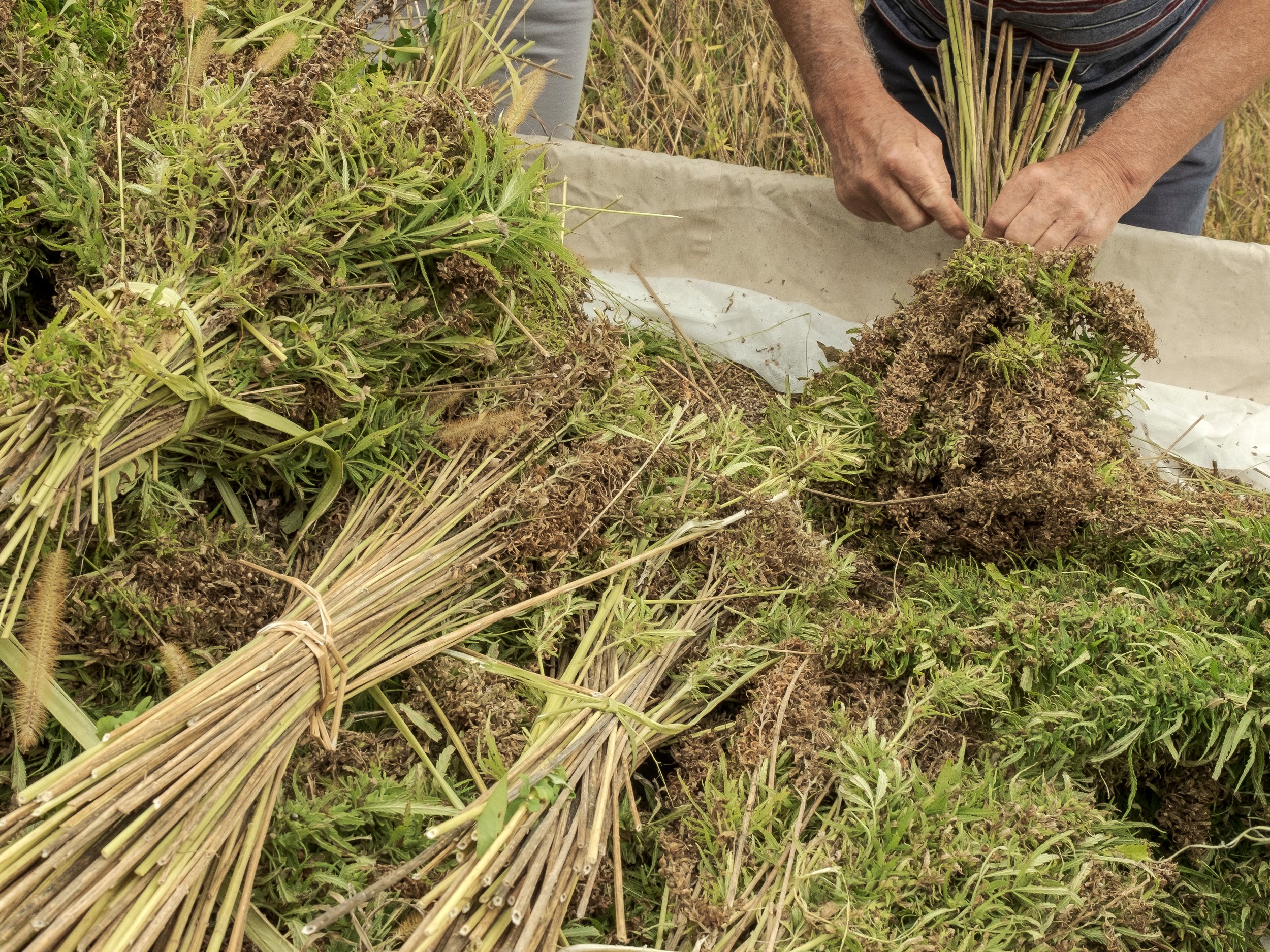
Harvesting the crop for fibre involves cutting the crop at the base of the plant. The cut crop then undergoes a 4-6 week retting (conditioning) process on the soil before baling.
For a seed crop, a conventional combine harvester is used. Speed, header height and drum speed is adjusted to crop conditions.
In compliance with Home Office regulations, only the hemp seed or stalk may be harvested, while all other plant parts must be destroyed on-site.
-
There are a variety of options of Hemp seed which can be grown in the UK.
First you need to decide what you are growing for; seed, fibre, or seed and fibre. At present we are not allowed to grow for flower or leaf in the UK.
Once you have determined the crop then check out the EU Common Catalogue of Plant Varieties; EU Plant Variety Database, which gives you the list of legal hemp seeds available under 0.2% THC
-
Hemp is a versatile crop which has the ability of adapting to its climatic environment, growing from Siberia to South Africa! Ideally, well drained, loamy soil is most beneficial. But the deep tap roots are also useful for improving the quality of land.
The BHA is facilitating domestic data collation in order to highlight the positive impact on soil health to present tangible evidence across a variety of soil types.
If you are growing hemp, please do contribute to this database as the information is useful to develop agronomic knowledge in the UK and Ireland.

Home Office License
Cannabis is categorised as a Class B controlled substance, making it illegal to supply, produce, or import without a valid Home Office licence. The Home Office (HO) Policy outlines that licences may be granted, for the cultivation of industrial hemp with a low Tetrahydrocannabinol (THC) content.
THC must be below 0.02% and only the non-controlled parts of the plant can be used under this policy.
Home Office licences are typically valid for three growing seasons, equating to a maximum validity period of three years.
You can Apply for a HO license Here
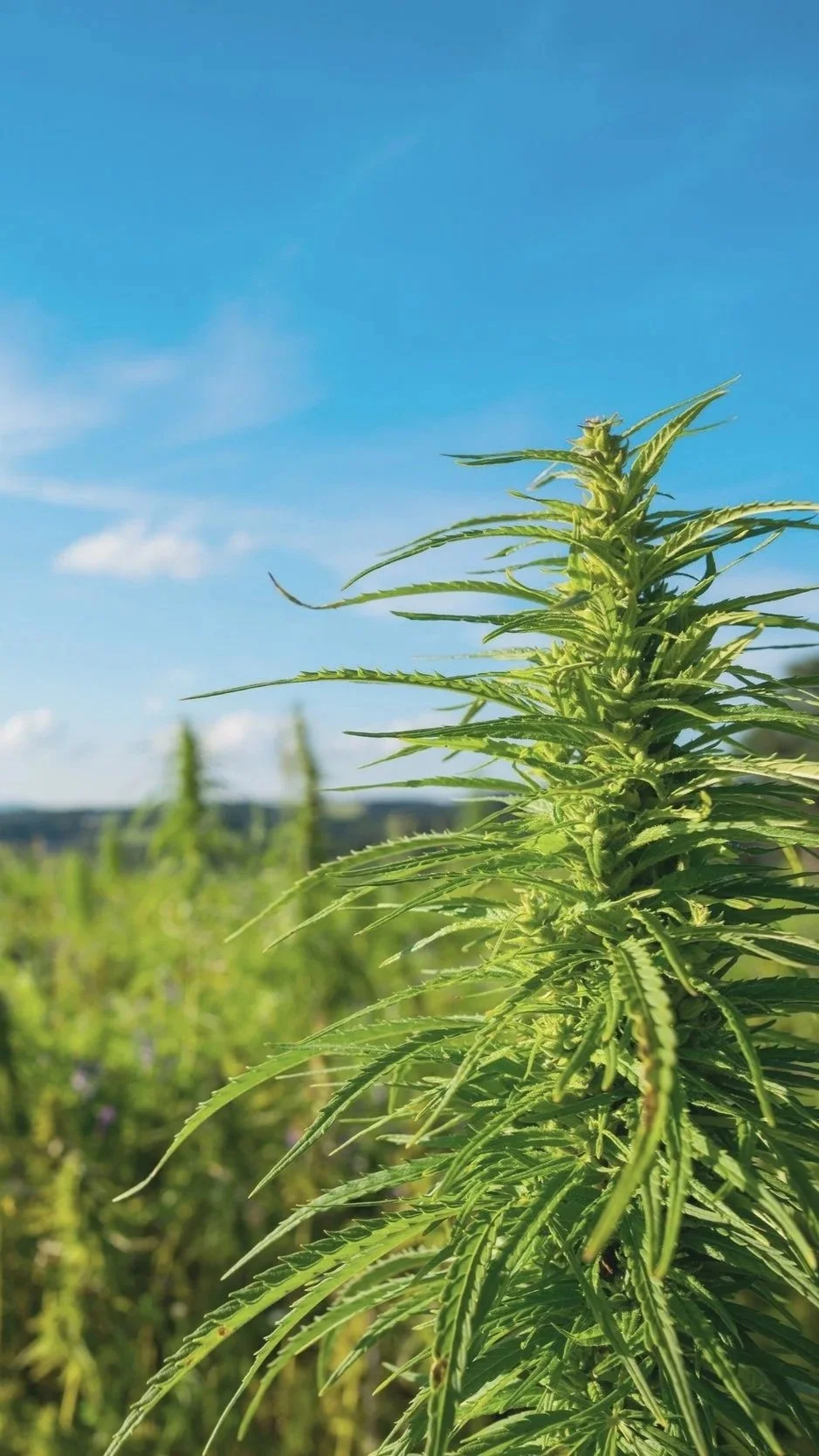
Hemp farming is the cultivation of Cannabis sativa plants specifically grown for their industrial uses rather than for recreational or medicinal purposes.
Pre-Planting Considerations
-
Industrial hemp is a resilient crop that can tolerate lower-quality soils and limited inputs, but the best results are achieved when it is grown in fertile soils with sound agronomic management. When choosing a site, growers should first consider the purpose of the crop. Some farmers may wish to utilise underperforming or marginal land, while others may aim to use hemp as part of a soil remediation strategy. Selecting the right location plays an important role in establishing a productive and healthy crop.
-
Hemp performs best where moisture is consistently available throughout the growing season. Adequate soil moisture is particularly important during germination, and young plants require substantial water during the first six weeks while the crop establishes. As the plants mature, hemp develops a deep taproot system—often reaching depths of 2–3 metres depending on soil structure—which improves resilience to short dry periods. Prolonged drought conditions, however, may cause plants to mature prematurely and reduce biomass production. Optimal rainfall typically ranges between 630 and 750 mm per year, with precipitation during June and July playing a key role in supporting vigorous vegetative growth. Water requirements can vary depending on cultivar selection, climate, and management practices.
-
Hemp is generally considered a short-day plant, meaning that its transition from vegetative growth to flowering is influenced by day length. The exact response depends on the cultivar being grown. Some varieties will flower regardless of daylight duration, while others require shorter days before flowering is triggered. Understanding the photoperiod sensitivity of the chosen variety is therefore important for planning planting dates and predicting crop development.
-
As with many agricultural crops, larger cultivation areas can improve economic efficiency due to economies of scale. Nevertheless, hemp can still be grown successfully on smaller areas depending on the intended end use. For example, hemp can be cultivated on marginal or contaminated land as part of soil remediation strategies, although yields may be lower in such environments. The crop also fits well within rotational farming systems, where it can contribute to improving soil condition for subsequent crops. Because hemp is an annual crop rather than a perennial energy crop, many growers choose to begin with a small trial area before increasing their planted acreage in later seasons.
-
Well-structured soils with good drainage and aeration provide the most favourable conditions for hemp cultivation. Soils with a silt-loam texture tend to perform particularly well, ideally consisting of approximately 40% sand, 40% silt, and 20% clay. The soil should retain sufficient moisture while still allowing excess water to drain away. Hemp can tolerate soil pH values between 5.0 and 7.5, although the most favourable range is around 6.0–6.5. Because hemp readily absorbs heavy metals from the soil, sites with significant contamination—such as former industrial areas or landfill sites—should be avoided if the crop is intended for food or other human-use products.
-
Temperature conditions influence hemp growth at each stage of development. While the crop is well suited to temperate climates, it can adapt to a range of environments. Under field conditions, the most favourable temperatures for germination generally fall between 13.5°C and 18.5°C, although seeds may still sprout at slightly lower temperatures. Very high temperatures can negatively affect germination, particularly when plants are already under stress. Young plants that have developed around 8–10 leaves can tolerate brief cold periods down to approximately −5°C. Optimal growth is typically achieved when average daytime temperatures remain between 16°C and 27°C.
-
Harvesting hemp usually involves conventional agricultural machinery that has been modified for fibre or seed harvesting. For this reason, fields should have reliable access routes or hard tracks that allow machinery to enter and operate safely throughout the growing and harvesting periods.
-
The final height of hemp plants varies depending on the cultivar, generally ranging from around 1 metre to more than 3 metres. Fibre-focused varieties commonly reach heights of approximately 2 metres—similar to maize—while seed varieties are often somewhat shorter, typically growing to chest or shoulder height. From a visual perspective, hemp fields resemble other tall arable crops and rarely have a major impact on the surrounding landscape. However, cultivation regulations differ between countries, and some jurisdictions restrict hemp production near roads, schools, or public footpaths.
Site Preparation
Pesticide Use
Currently, there are no pesticides approved for use on hemp crops in the UK or Ireland. This largely reflects hemp’s relatively recent return to commercial agriculture, along with the crop’s natural characteristics. Hemp grows rapidly and forms a dense canopy, which allows it to compete effectively with many weeds without chemical intervention.
Despite this natural resilience, achieving strong yields still depends on thorough site preparation before planting.
Soil Testing and Management
Before establishing a hemp crop, it is advisable to carry out soil testing to understand the existing nutrient profile and soil condition. Key parameters typically assessed include soil pH, Soil Nitrogen Supply (SNS), and the levels of essential nutrients such as phosphorus (P), potassium (K), and magnesium (Mg).
Many agricultural laboratories provide soil analysis services that can deliver detailed results, often including field-level recommendations to support accurate nutrient management.
If deficiencies are identified, amendments such as fertilisers or lime can be applied to improve soil conditions prior to planting. However, care should be taken not to apply excessive fertiliser, particularly early in the season, as this can encourage weed growth and increase competition during crop establishment.
In addition to standard nutrient testing, evaluating soil biology may also be useful. Assessments of microbial biomass and community structure can provide insight into soil health. Beneficial organisms such as mycorrhizal fungi play an important role in plant establishment and can improve resilience under challenging conditions, including contaminated soils. Testing may help determine whether soil biological amendments could support crop performance.
Baseline soil testing can also provide valuable data on soil carbon levels, which may be relevant for long-term soil management or carbon monitoring initiatives.
Further information on testing providers can be found through AHDB Soil and Forage Testing Companies.
Fertilisation
Effective nutrient management is important for hemp cultivation. Applying too little fertiliser can limit plant development, while excessive nutrient availability may cause plants to compete with one another, leading to thinning and lower yields.
Typical nutrient recommendations for hemp production are:
Nitrogen (N): 110 kg per hectare
Phosphorus (P): 80 kg per hectare
Potassium (K): 140 kg per hectare
These values serve as general guidance. Soil testing should always be carried out prior to fertiliser application, as existing nutrient levels in the soil may already meet part or all of the crop’s requirements.
-
Hemp has a nitrogen offtake of approximately 160 kg N/ha for biomass and 40 kg N/ha for seed, totalling 200 kg N/ha. Ensuring sufficient nitrogen supply is crucial. A low application rate (e.g., 80 kg N/ha) can stunt growth, while excessive nitrogen (e.g., 200 kg N/ha) causes plants to compete for light, reducing plant density and yield. An application rate of 110-150 kg N/ha is recommended, based on local soil conditions and nitrogen deposition rates.
Nitrogen application before planting is generally as effective as a split application. Split application—where fertiliser is applied in stages—reduces risks such as nutrient leaching due to adverse weather or plant stress. The recommended split application is:
70% at planting
30% during elongation/rapid growth phase
-
Phosphorus is vital at all growth stages but is particularly important during early development, as it strengthens plants and enhances pest resistance. As the crop matures, phosphorus uptake gradually increases. Total phosphorus uptake varies between 25-67 kg P/ha, depending on variety and yield. Recommended application rates range from 30-80 kg P/ha, with applications tailored to soil test results to avoid unnecessary stress on the plants.
-
While potassium has less impact on hemp yield, it is essential for fibre quality. Hemp absorbs large quantities of potassium, with total uptake averaging 211 kg K/ha. Recommended application rates range from 140-175 kg K/ha, depending on soil reserves and expected yields.
-
Calcium (Ca), magnesium (Mg), sulphur (S), copper (Cu), manganese (Mn), and boron (B) all contribute to healthy hemp development. In particular, calcium, magnesium, and sulphur play critical roles. Soil tests will indicate whether supplementation is necessary.

Digestate Use
Applying liquid phase digestate (LPD) and solid phase digestate (SPD) in a split application has been shown to be an effective alternative to mineral fertilisers. Application rates should align with the recommended NPK levels above. SPD provides a prolonged nutrient release, reducing environmental impact compared to traditional fertilisers.
Ploughing and Cultivation
Proper seedbed preparation is essential for successful hemp cultivation, as hemp is highly sensitive to soil structure. The ideal approach is to prepare the soil as one would for sugar beet or spring wheat.
Where permitted, autumn ploughing to a depth of 20 cm is advised, followed by cultivation using a rotavator or power harrow to create a stale seedbed. If winter fallowing is not possible, ploughing and cultivation should be carried out as soon as regulations and weather conditions allow in late winter or early spring.
A stale seedbed can be treated with an appropriate herbicide to control emerging weeds. After 10-14 days, the field should be rotavated or power harrowed again and rolled before planting. Optimal seed-to-soil contact is achieved by maintaining a fine tilth (1.5-4 cm) in the seeding zone, with medium-to-large surface aggregates to minimise evaporation.
Protecting Against Vertebrate Herbivores
-
Birds are particularly fond of hemp seeds, so protective measures should be taken before emergence. Options include:
Scarecrows
Bird-of-prey kites
Laser scarecrows
Propane cannons
Bird netting (where appropriate)
If none of these are readily available, a cost-effective option such as kites will usually suffice.
-
Although hemp is not a preferred food source, deer can still cause damage by grazing. Traditional deer fencing is costly, making it impractical in most cases. If deer are observed feeding on hemp, Garlic Barrier spray can be applied at a rate of 1-2 L/ha across the crop. The spray remains effective for 12-14 days, but it should not be applied if rain is expected within 48 hours, as reapplication may be necessary.
-
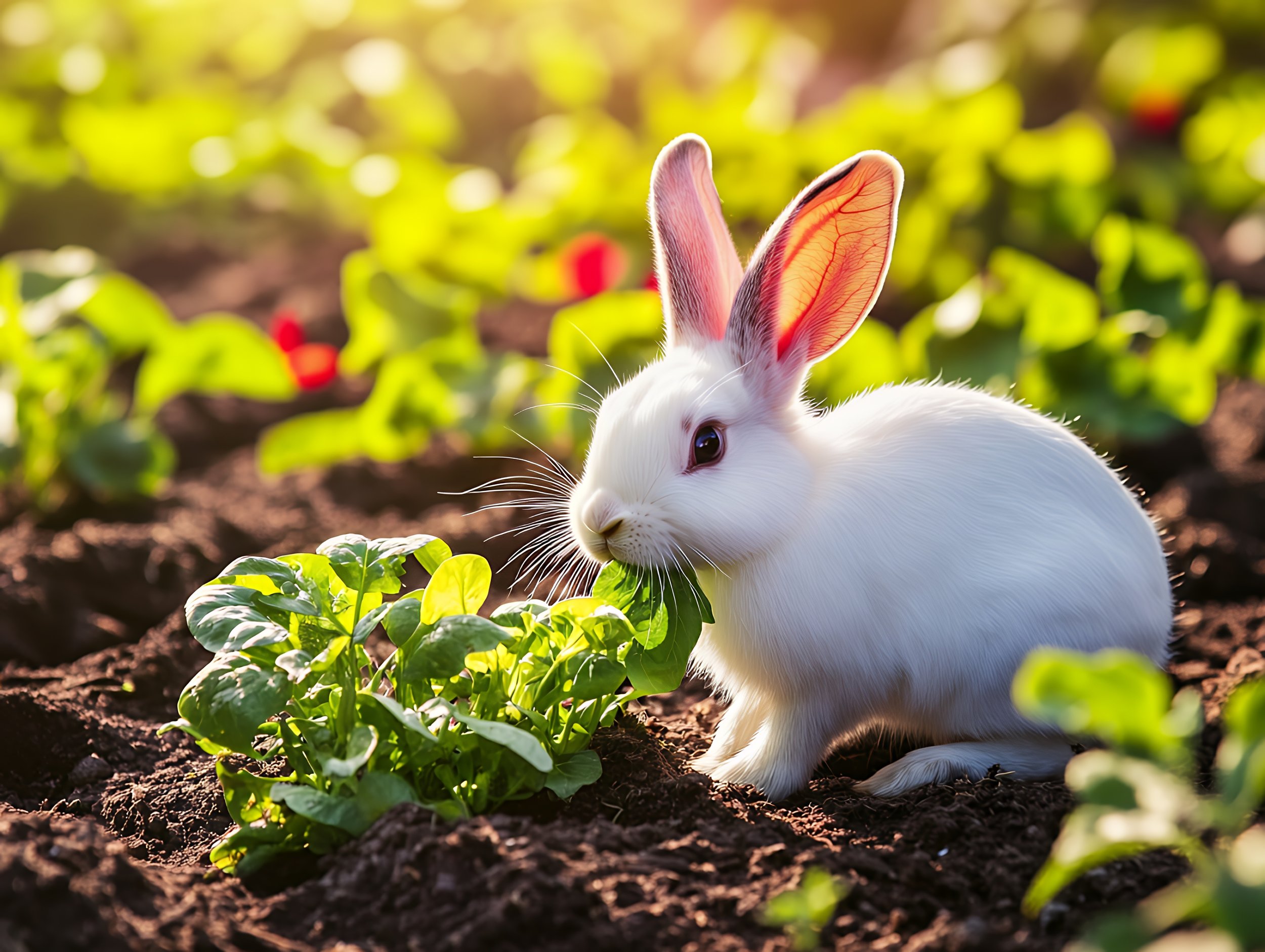
Rodents, such as rats and mice, may strip the bark from stems for nesting material, while rabbits can consume young plants and damage older ones. If this becomes a significant issue, Garlic Barrier can also be used as a deterrent.
When Considering Hemp Farming
Start Up Costs
The 3 year “Low-THC Industrial Hemp” Growers License fee costs approximately £600 (inc enhanced DBS check) but then there are other inputs including; land, seed, fertilizer N PK, security, agri-services (land prep, sowing, maintenance, harvesting), storage etc.
These are all subjective costs which vary significantly!
Hemp Market
There are domestic decortication processors on farms in the Central & North of England. These facilities have the potential capacity for processing much more, but market demand needs to increase. We also need to create new markets for hemp materials and get people buying domestic hemp products.
The Alliance is dedicated to helping this fledging industry thrive by partnering with other associations to see where we can be of mutual benefit.
Payment Providers
With Low-THC Cannabis (Hemp) still regulated as a controlled drug, generally, the regular financial system is not prepared to risk facilitating trade in “illicit goods”.
However, there are payment gateway providers who are more willing to bear the risk of facilitating transactions based on the reliance of the customer in upholding their legal responsibilities. There are a range of business services available for law abiding hemp and CBD businesses from a growing number of providers.
Interested In Hemp Farming?
At the British Hemp Alliance, we offer tailored one to one consultations for individuals looking to enter the UK hemp sector. These sessions are £150 for a one hour consultation and provide a practical, in depth overview to help you make informed decisions.
Should you decide to move forward following the consultation, we also offer additional support services, including on site soil testing and end to end project management of your hemp crop, tailored to your operation.
-
During the consultation, we can cover:
A detailed overview of the hemp growing process and documentation
Guidance on suitable seed varieties and how to source them
Advice on cultivation methods and best practices
Insight into the market, including how and where to sell hemp
The opportunity to ask any specific questions relevant to your farm or goals
-
Comprehensive analysis of soil health, pH, nutrient levels, and structure to determine suitability for hemp cultivation, followed by a detailed report with tailored amendment recommendations.
-
Full-cycle oversight of your hemp crop, including planting schedules, crop monitoring, pest and nutrient management, harvest coordination, and post-harvest logistics, all customized to your operation’s scale and goals.
To organise a consultation or to ask any questions please contact us at info@britishhempalliance.co.uk or follow the link below: